
- TRICHIASIS:
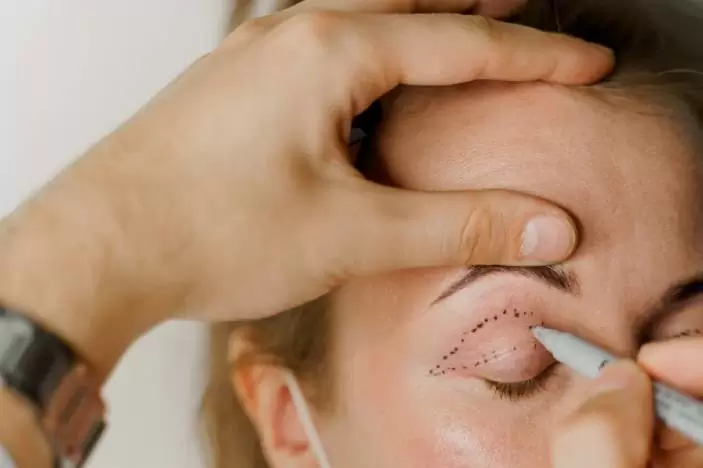
Trichiasis is a condition in which the eyelid cilia grow in the opposite direction. In this case, the eyelashes grow towards the eyelid margin and rub against the surface of the eye. This friction can cause eye irritation, redness, inflammation and even corneal damage.
Trichiasis can cause eye discomfort and visual impairment.
Treatment options include eyelash removal, electrocauterization (burning the eyelash root with electricity), laser treatment or surgery.
The choice of treatment depends on factors such as the severity of the trichiasis, the cause and the general health of the patient. Untreated trichiasis can cause permanent damage to the eye, so appropriate treatment is important.
- BLEPHARITIS:
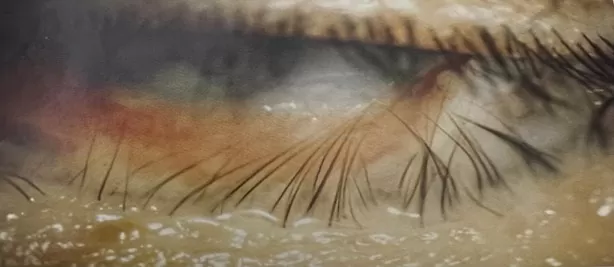
Inflammation of the edges of the eyelids. This condition is caused by various factors, such as blockage of the sebaceous glands in the eyelash roots at the edge of the eyelids, bacterial infections, skin diseases or lack of attention to eyelid hygiene.
Symptoms of blepharitis may include
- Redness and swelling of the eyelids (chalazion)
- Itching or burning sensation in the eyelids
- Crusting or dandruff at the base of the eyelashes
- Formation of sticky or oily secretions on the eyelids
- Sticky eyelashes or eyelids sticking together
- Watery or dry eyes
Blepharitis is usually a chronic condition and symptoms may appear or increase from time to time. Treatment usually involves cleaning the eyelids, reducing inflammation and controlling symptoms. Treatment can be done using eye drops, special solutions for cleaning the eyelids, antibiotic ointments or other medications recommended by the ophthalmologist. Also, practicing regular eye hygiene and keeping the eyelids clean helps to control blepharitis.
- CHALAZION:
A chalazion is defined as a type of cyst or nodule caused by a blockage of the sebaceous glands on the inside of the eyelid. Chalazions usually start when one of the sebaceous glands on the inside of the eyelid becomes blocked and inflamed. This occurs when the Meibomian glands, a sebaceous gland in the eyelid, become blocked.
Chalazion starts as a painful swelling on the lid. Within a few days this swelling becomes painless.
Chalazions usually go away on their own, but sometimes they may require treatment. Treatment options include applying warm compresses, using special solutions to clean the eyelids, eye drops or antibiotic ointments on the eyelid. If the chalazion does not go away despite this, surgical removal is appropriate.
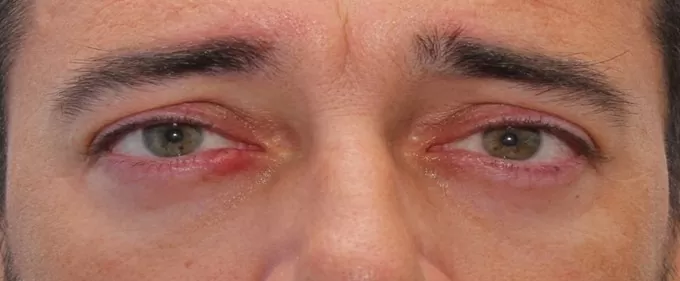
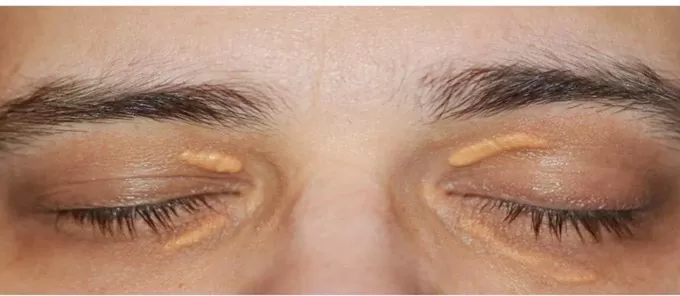
A common, often bilateral condition, usually seen in middle-aged and elderly people or those with hyperlipidemia. They are yellowish, subcutaneous plaques of cholesterol and lipids on the inside of the eyelids. It is mostly treated for cosmetic reasons and surgical excision is the treatment of choice.
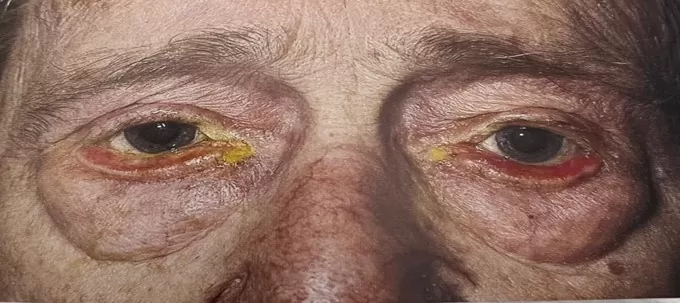
Ectropion is the outward rotation of the lower eyelid. Ectropion is usually associated with old age, because with age the skin loses its elasticity and the eyelid becomes loose. However, other factors such as trauma, skin cancer or certain infections can also contribute to the development of ectropion. Symptoms of ectropion can include eye redness, watering, dryness and an increased risk of infection on the surface of the eye. Treatment usually involves surgery, which repositions and corrects the eyelid.
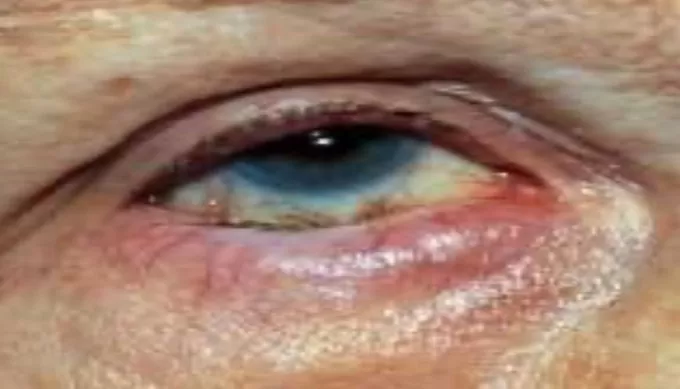
Entropion is an eyelid problem characterized by an inward rotation of the eyelid. It is the opposite of ectropion. In the case of entropion, the eyelid and eyelashes twist and touch the surface of the eye, which can cause friction and irritation to the surface of the eye. This condition occurs when the eyelid turns inward and the eyelashes are directed towards the surface of the eye. Entropion usually occurs with age, but factors such as trauma, inflammation or congenital structural problems can also contribute. Symptoms of entropion include eye redness, watering, stinging sensation and blurred vision. Treatment usually involves surgery to correct the positioning of the eyelid and eyelashes.
The term “ptosis” is usually spelled “ptosis” and is also known as drooping of the upper eyelid. Ptosis is when one or both eyelids are lower or lower than their normal position. When the eyelid is lower than normal, eye closure cannot occur fully, which can restrict the visual field. Ptosis can be a congenital condition or develop with age or after trauma. This condition can occur due to weakness or damage to the eyelid muscles.
Ptosis can affect eyesight, often in addition to aesthetic concerns, because a droopy eyelid can restrict vision. Treatment can vary depending on the underlying causes. Surgery to repair muscle weakness or damage to the eyelid is a commonly used method of treating ptosis.
The types of ptosis can vary depending on the underlying causes, but can generally be divided into these basic categories:
- Congenital Ptosis: This is a congenital condition. This can be caused by a developmental defect in the eyelid muscles or nerves at birth.
- Acquired Ptosis: This is a condition that develops later in life due to aging, eyelid injury, muscle weakness, etc.
- Neuromuscular Ptosis: A condition that develops due to diseases of the nervous system or muscles. For example, neuromuscular diseases such as myasthenia gravis can cause ptosis.
- Mechanical Ptosis: A condition prompted by a mechanical cause that aggravates or pulls on the eyelid. For example, a mass or tumor on the eyelid can lead to mechanical ptosis.
- Myogenic Ptosis: Occurs when there is a direct problem with the eyelid muscles. For example, in a condition such as Horner’s syndrome, the eyelid muscles are affected and ptosis occurs.
IMPORTANCE OF PTOSIS IN CHILDHOOD:
Early diagnosis and treatment of ptosis in childhood is very important. Late treatment of ptosis causes lazy vision. Especially in infants, the upper eyelid that partially or completely covers the pupil should be treated (surgically) immediately because it causes lazy vision. For ptosis that does not cover the pupil, it can be waited until adolescence. Treatment after puberty is aimed at solving the cosmetic problem.


