
Health Library
Plain-language articles on eye diseases, treatments and diagnostic tests.
Articles by first letter
Categories
All articles
18 articles listed
-

Acid and Alkali Burns to The Eye
Acid and alkali burns to the eye are serious health problems that require immediate medical attention. Both types of burns have different characteristics and treatment methods differ from each other:
Read more -

Central Serous Retinopathy (CSR)
It is a disease mostly seen in men between the ages of 30-50. The most important cause is thought to be stress. Cortisone drugs and smoking are also among the possible causes.
Read more -
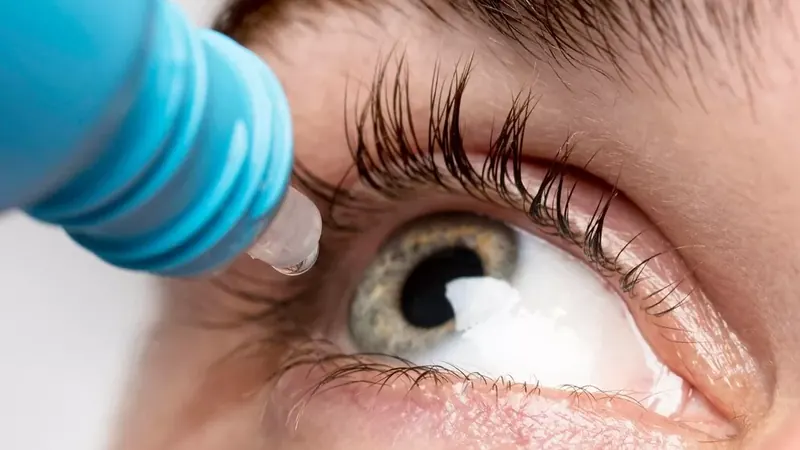
Dry Eye (XEROPHTHALMIA)
Dry eye is a disease that occurs in eyes that are not sufficiently moisturized. In order to understand this disease ( also called dry eye), we first need to learn the tear layer. Tears maintain the overall health of the eyes and keep them moisturized. The tear film allows the eyelids to move smoothly and provides comfort. It also prevents external factors from damaging the eyes. It protects the eye from foreign objects, bacteria and germs. Structural differences that may occur in tears cause a feeling of dryness in the eye and disrupt the moisture balance. High frequency of blinks has a positive effect on the quality of tears.
Read more -
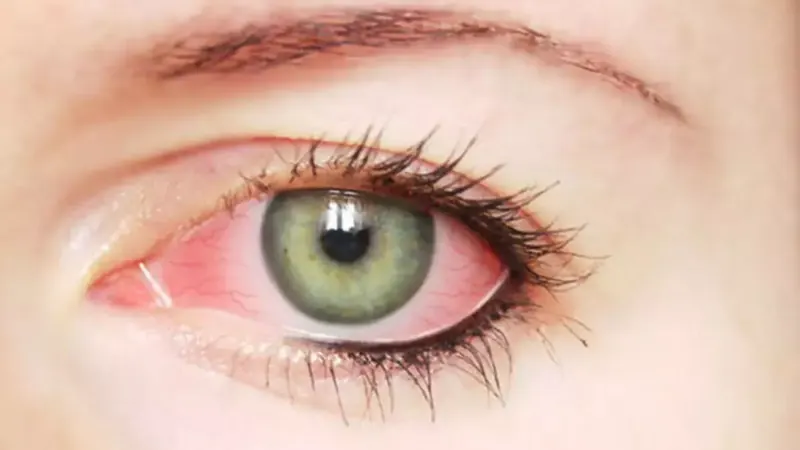
Epicyleritis and Cycleritis
Episcleritis and scleritis are two separate eye diseases associated with inflammation of the sclera, the outer layer of the eye. Episcleritis is characterized by inflammation of the episclera, a thin layer on the surface of the sclera. This condition usually leads to painless redness of the eye and usually has a good prognosis.
Read more -
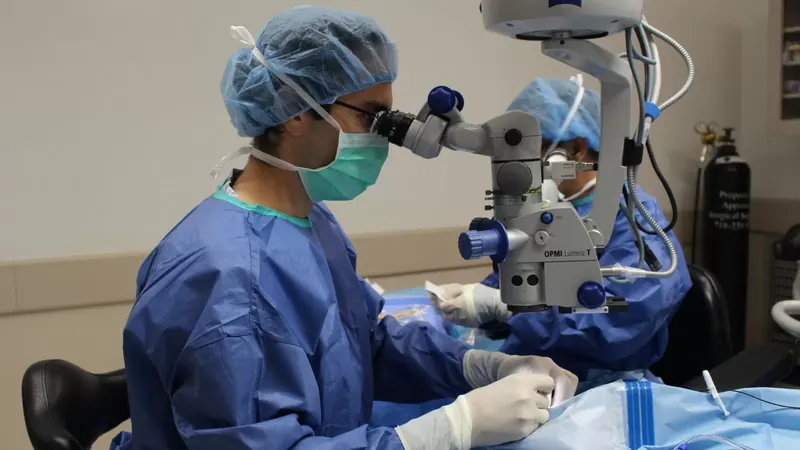
How Is Chalazion Treated?
As soon as the first symptoms of a chalazion appear, (i.e. mild pain and swelling) the patient should start using medication immediately. Medication includes eye drops, ointments and oral antibiotics. Once swelling of the eyelids become visible, it is highly unlikely that it will go away with medication. Despite this low probability, eye drops and creams should still be used for 1 month and hot compresses should be applied to the swelling for 15 minutes every day. If chalazion is not healing after 2 months of treatment, surgery will be the remaining option. Surgery consists of the drainage of the abscessed structure from the inside of the eyelid.
Read more -
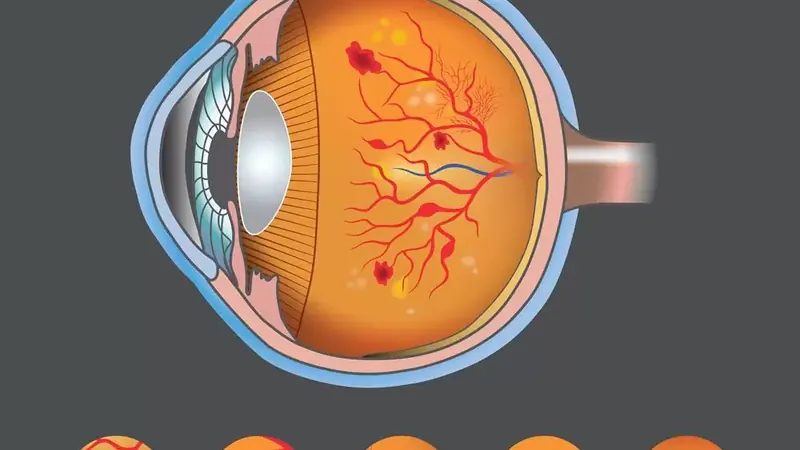
Ocular Findings Of Systemic Diseases
We can summarize the ocular findings of systemic diseases with the following examples:
Read more -

What Is Lazy Eye(Amblyopia)? Is It Curable?
Lazy eye, or amblyopia in medical terms, is a condition in which normal visual development is impeded, resulting in reduced vision. The condition usually begins in childhood and one eye develops less than the other.
Read more -
What Is Retinitis Pigmentosa (Night Blindness)? Is It Curable?
The retina is the tissue in the eye that detects light and transmits visual information to the brain. are sensitive at low light levels and are responsible for night vision. function at higher light levels and contribute to color vision. In these photoreceptor cells die or become dysfunctional over time.
Read more -
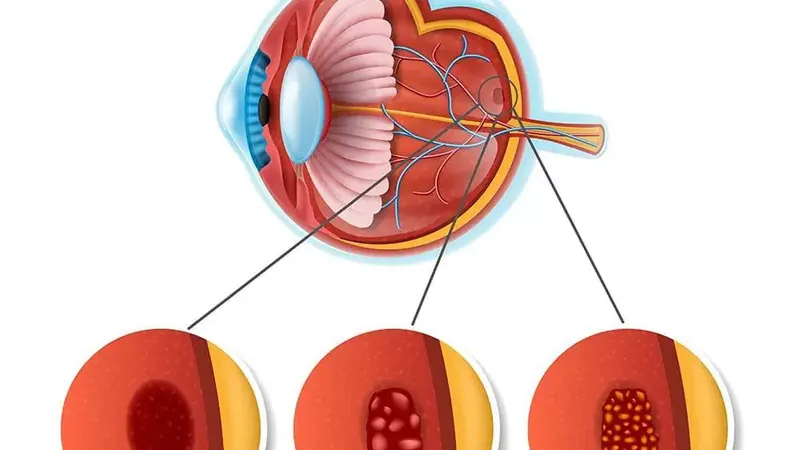
Yellow Spot Disease
Read more -
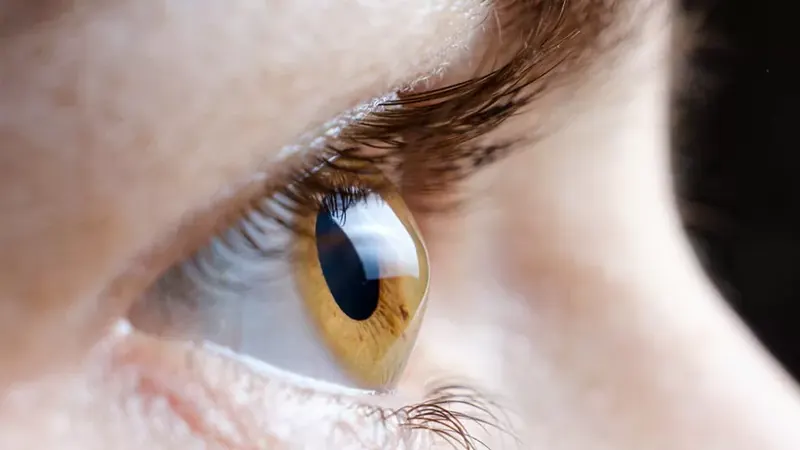
Intrastromal Corneal Rings
Intrastromal corneal rings are small rings placed in the corneal layer. They are commonly used to correct corneal disorders such as keratoconus. Keratoconus is characterized by a thinning of the cornea into a cone-shaped protrusion. By changing the shape of the cornea, these rings can reduce irregularities and improve the quality of vision.
Read more -

LASIK
LASIK is a laser surgery procedure used to treat eye disorders such as myopia, hyperopia and astigmatism. LASIK stands for “Laser In Situ Keratomileusis”. It is a treatment that corrects vision problems by changing the shape of the cornea in front of the eye. LASIK surgery can be an alternative to the use of glasses or contact lenses. The procedure is usually successful in low-grade disorders. Eligible candidates for LASIK treatment must be over 18 years of age and the eye disorder must not have progressed in the last six months. This treatment may not be feasible in some eyes as the cornea must have a certain thickness. LASIK surgery must be planned carefully. Because there may be deviations in the thickness of the cornea and the corneal thickness must be maintained at safe levels. This treatment method has variations such as I-LASIK, LASEK etc. . These variations are the derivatives of LASIK. The recovery period for the procedure is usually short and the risk of complications is very low.
Read more -
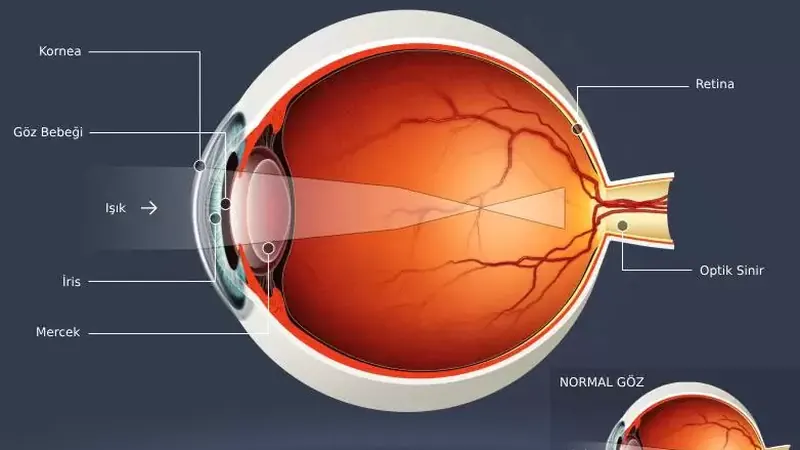
Surgical Treatment of Presbyopia (Difficulty in Near Vision)
Presbyopia is the name for nearsightedness and occurs when the elasticity of the eye lens decreases with age. Glasses or contact lenses are common options to correct this condition, but surgical treatments can also correct or alleviate presbyopia.
Read more -
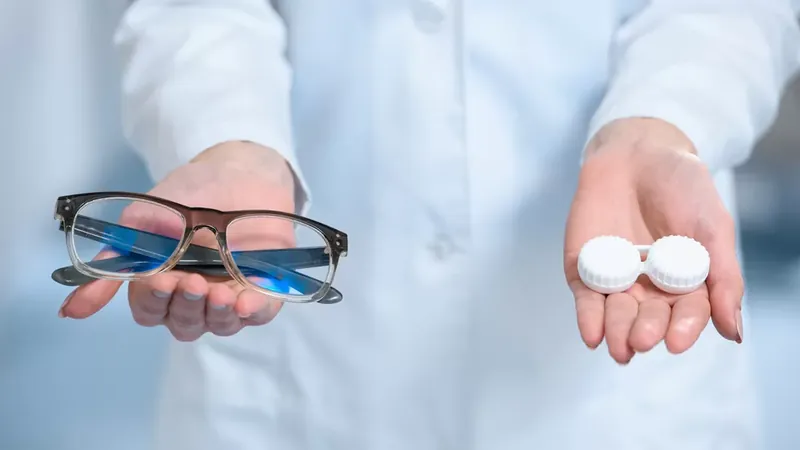
What Are Contact Lenses And In Which Cases Are They Used?
Contact lenses are thin, transparent, flexible lenses that are placed directly on the eye. They are used to correct visual defects or to protect the surface of the cornea. Contact lenses can offer many advantages.
Read more -

What Is Excimer Laser Photorefractive Keratectomy (NO TOUCH METHOD)?
The procedure includes the following steps:
Read more -
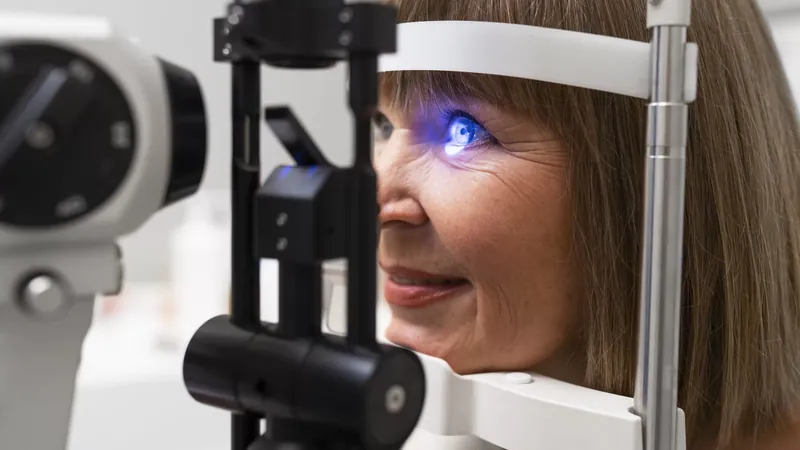
What Is The Intraocular Smart Lens?
An Intraocular Lens (IOL) is an artificial lens placed inside the eye. They are usually used during cataract surgery. A cataract is a clouding of the natural lens in the eye. Cataract surgery involves removing the clouded natural lens and replacing it with an artificial lens.
Read more -

Color Blindness Test
The sense of color is provided by cone cells in the retina of the eye. Congenital deficiencies in the function of these cone cells can cause hereditary color blindness. Various methods are used to detect color blindness. One of these methods is testing with color plates (Ishihara test). During diagnostic test, the person is expected to perceive the numbers on the colored plates correctly. Color blindness is suspected in people who cannot perceive the numbers correctly.
Read more -
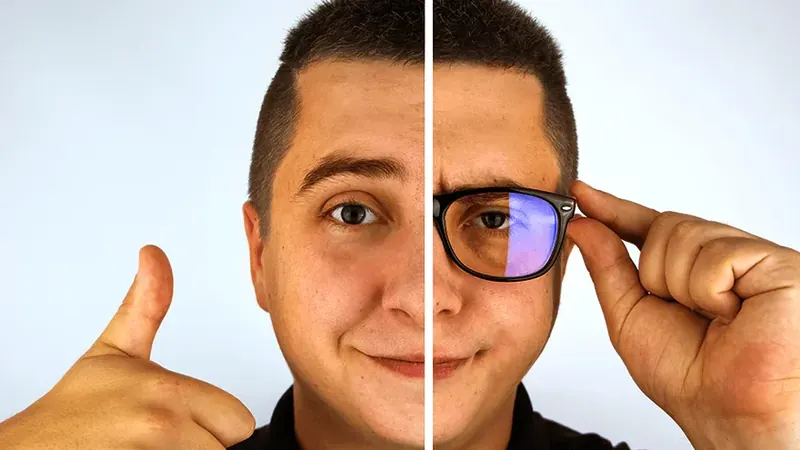
Excimer Laser Suitability Test
The suitability of people who have decided to undergo excimer laser treatment is decided after a series of tests.
Read more -

How to Protect Eye Health in Summer?
There are some harmful effects of the sun rays that come to our eyes during the summer months. For example, some diseases such as cataracts and yellow spot disease are known to have a direct link to sunlight. For this reason, a series of measures should be taken to reduce the harmful effects of sunlight on the eyes. The most important of these measures is wearing sunglasses.
Read more
No articles match your search.
Index
Eye Diseases
18 topics